
So, next time someone asks you what low-impact exercise is, you can answer in simple terms. It is exercise through controlled movement where one foot always remains in contact with the ground. These activities help in maintaining joints and improve heart health.
Low impact exercises are very helpful for elderly people. These exercise programs assist in performing daily activities like walking or standing safely.
Advantages from low impact exercises are widespread. These include the benefits to body, mind and emotional well-being. Such exercises also help in keeping older people active and confident. Such low-impact exercises for seniors improve joint mobility as well as muscle strength and endurance. These activities also boost the functions of blood circulation and respiration.
Resistance exercises have many advantages, especially during the retirement life of seniors. Resistance training retains muscle mass and bone density in older individuals. Light weight exercise for seniors prevents weakness while helping them move around freely.
Routine strength training helps maintain supportive muscles around joints. This promotes stability and prevents falls.
Stretching exercises are essential for active and able-bodied individuals as they age. It is because aging affects the performance of muscles, joints and balance in their body. Stretching and range of motion exercises performed regularly by seniors provide several benefits. Stretching exercises for seniors help keep their bodies flexible, reduce the effects of stillness, and provide comfort. Stretching exercises performed on a daily basis also improve joint health and support developing correct posture.
Stretching exercises are also critical in promoting blood circulation and help to maintain healthy joints. The majority of medical studies report that when a senior or geriatric person utilizes slow and controlled stretching where there is no pain, the injuries to muscles and joints during mobility will be reduced. Hence, these types of exercises allow seniors to continue aging safely.
Stretching exercises for seniors should never be painful. If they are, then the senior is not performing the exercises correctly. Holding a stretch for an extended period of time in conjunction with breathing yields the optimum results. Seniors should also perform warm-up exercises prior to the beginning of any exercise. This step helps prepare their muscles for subsequent activity.
The primary benefits to stretching exercises for seniors are beyond improving flexibility or range of motion. Stretching also promotes balance and coordination and assists in preventing senior citizen’s risk of falling. At the same time, adding in mobility activities will further assist in completing routine tasks of daily living.
Stretching exercises for seniors with any type of arthritis help reduce stiffness, as gentle and gradual movements provide a liberalized joint. Stretching exercises that focus on the low back area supports the normal range of motion in an older adult’s spine, while stretching in the hip area of a senior will reduce tension placed on their lower body.
As soon as an individual (senior citizen) has walked, stretching their muscles with standing movements will assist with circulation. Regular stretching of the body during the day will also aid in promoting relaxation and enhance the quality of sleep for seniors.
Muscle tissue and connective tissues degrade with aging and inactive muscles will shorten. The joints do not get lubricated as they age. Stretches for flexibility help to slow down and prevent the loss of flexibility that comes with aging.
Range of motion exercises help you maintain the movement of joints. Mobility exercises for seniors allow them to stay independent. Stretching programs should have a slow progression and ensure safety when stretching.
Seniors will find that regular stretching keeps all movements smooth. The most important factor in compliance is consistency; not how intense the stretch is.
Regular stretching exercises enhance the ability to perform them and add to the comfort felt during stretching. Gentle stretching exercises are the best way to begin stretching for seniors. Long stretches held for up to 20 seconds achieve the greatest response from the tissues that are being stretched.
Dynamic stretches or warm up exercises for elderly prepare their muscles for activity. Static stretching is more effective if it is done at the end of a walk or exercise. Chair stretches provide seniors with safety and balance while stretching.
Begin with gentle stretching and gradually work your way into a whole body stretching routine. The most effective way to start out is to choose some simple stretches for the elderly that target your major muscle groups.
The best time to do your morning stretching is first thing in the morning. Daily stretching will improve your overall comfort in your joints and is a recommendation. Every stretch should feel controlled and comfortable while doing it.
A senior’s morning stretch helps reduce stiffness from sleeping. Gentle neck stretches release muscle tightness. Modified stretches while sitting helps to maintain a person’s balance.
Each stretch has a complementing breath to aid in mobility. Stretching first thing in the morning helps with circulation and helps improve posture.
Chair stretching exercises for seniors are safe and provide exercise options to seniors who sit. Standing up and performing stretches can occur once seated stretching exercises for seniors are mastered.
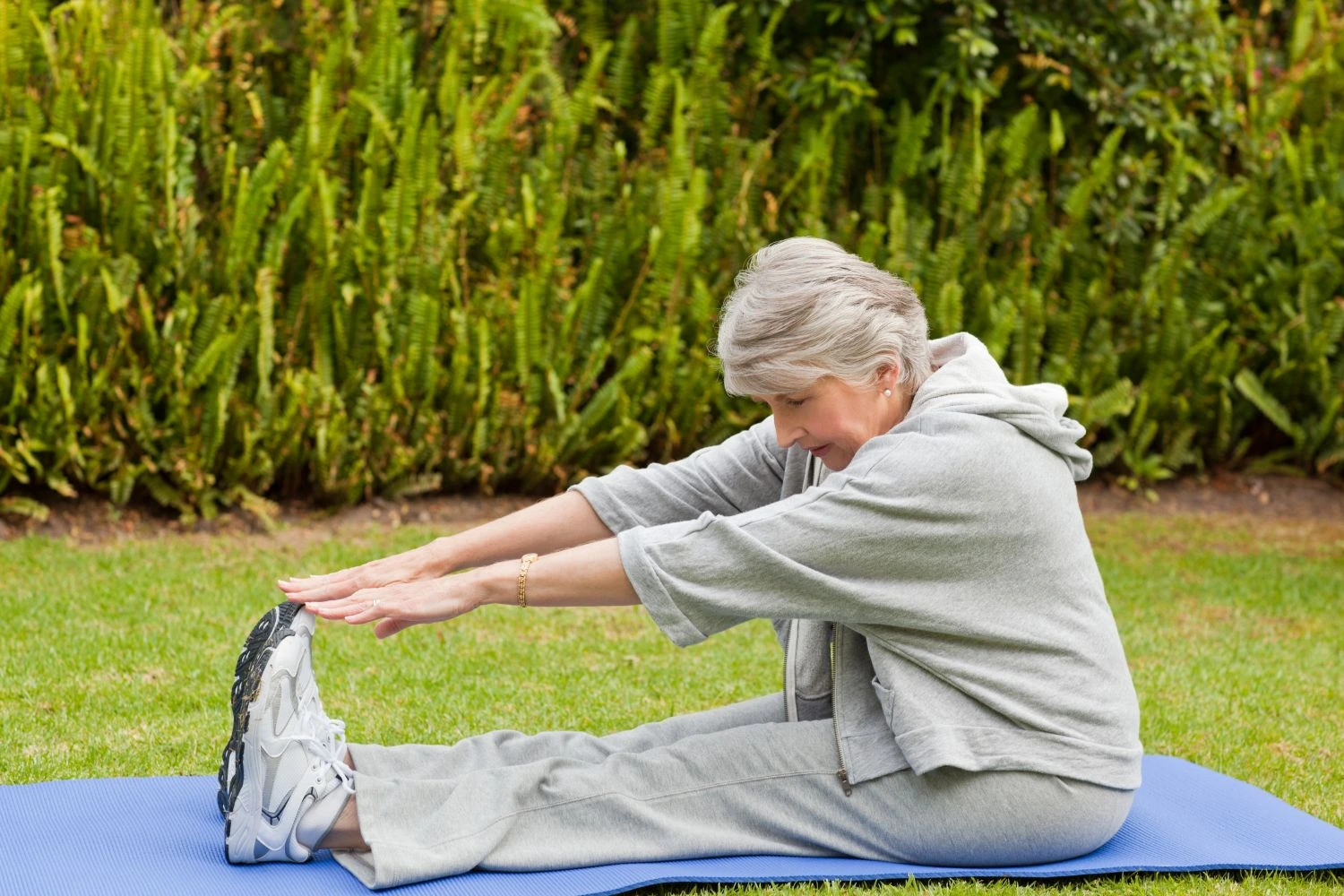
Hamstring stretches for seniors ease leg tightness. Extend one leg forward keeping a flat back. Hold in a relaxed fashion. Hamstring stretches for older adults increase comfort while walking.
Quadriceps stretches promote knee health in seniors. Slightly bend both knees backwards. Hold any excess tension and breathing through the stretch. A quad stretch for elderly helps maintain their stability.
Leg stretching exercises for Senior’s support mobility. Hip stretching exercises support and protect your lower back’s alignment. How do I stretch the calf’s provides flexibility to your ankles.
Stand by a wall or chair and step one foot back. Keep your back heel flat. This and other stretching exercises after walking promotes stability.
Seated glute stretches protect the hips without straining. Cross one ankle over the knee and lean slightly forward. This supports lower body comfort.
Seniors can combat stiffness in their spine by engaging in back stretching exercises. Using slow and gentle movements will help to protect the discs of your back. If you stretch following a walk, it can help to relax the spine.
One way to achieve your full range of motion is to use seated twist exercises. Always ensure to perform these movements at a slow pace while maintaining deep breathing.
These movements help seniors maintain support for walking and standing. Tightness in the hips leads to poor posture, so mobility exercises are designed to target flexibility in the hips.
In addition to supporting decreased stride length with golf or bathing suit fits, stretching also helps maintain comfort.
Band exercises provide a gentle way to create light resistance during strength and flexibility training for seniors. Stretch bands also provide protection to joints when used with care.
Band leg extension exercises provide additional support for the knee joint. Rowing exercises with a stretch band can also be used to improve upper back posture.
Yoga stretches are slow and controlled for seniors. Gentle yoga promotes good breathing and improved balance. Chair yoga is safe.
For residents of inner cities who are 50 years of age or older, practicing yoga promotes flexibility through regular practice. It also offers gender specific training, such as stretching exercises for women over 50 as well as stretching exercises for men over 50.
They are great ways to protect golfers’ backs and shoulders. Rotational stretches help seniors with their swing movement and hip stretches assist with providing balance. Seniors should have warm-up routines to help them avoid injury when golfing.
Gentle stretching exercises for seniors with arthritis should remain low-stress on the joints. Stretching that is planned by a medical professional will reduce stress on the joints. Slow motion exercises help lubricate the joints. You should never push a stretch, and it should always be comfortable for you.
A full-body stretching routine can help you with your everyday function by stretching your neck, shoulders, hips, legs, and back all at once. The best way to stretch daily to seniors is with consistency.
Recommended daily stretches should last for 10-20 minutes. The longer you hold a stretch will result in a better muscle response.
The way to improve movement in elderly adults begins with stretching. Stretching movements for seniors helps them to have control of their joints. Stretching for seniors help them develop good balance due to flexible muscles.
The best stretches for seniors are the ones that work large muscle groups. An example of a good stretch would be to stretch out the hamstrings to help with walking. Another good stretch would be to stretch the quadriceps to protect their knees. Gentle stretching of the neck will also assist with reducing tension and when done regularly provide long-term benefits.
The benefits of performing standing stretching exercises provide good blood circulation. You should always support yourself by using a chair. Gently stretch your calves, hips, and arms when doing standing stretches to help provide better posture and balance.
Medical Stretching Guidelines suggest that stretching should be done as a slow, controlled motion. Gentle warm-up exercises for elderly adults keep muscles warm so no injury will happen before stretching begins. Once an elderly person has finished walking or performing a small amount of exercise it is important for him/her to perform at least five minutes of stretching. Make sure to consult with your physician if you have any questions or concerns.
Stretching for seniors is an essential part of aging well and having a comfortable day to day life. Stretching regularly improves range of motion, flexibility, balance and mobility of all major joints in your body. They keep them moving while you maintain your ability to perform daily activities and remain independent for longer. Gentle stretching for seniors decreases stiffness in their legs, arms, neck, and back caused by sitting, walking or sleeping. It also improves posture and increases ease of movement for performing the day to day activities of life.
The best exercises for seniors to stretch are those they feel comfortable and can control while performing throughout their entire body, daily.
Daily stretching for seniors is most effective. A short amount of time spent stretching daily is beneficial in providing support for their joints and will help maintain joint mobility without too much stress to them.
Chair stretching exercises are the most beneficial stretches for seniors and give them a stable base when exercising. They also reduce chances of falling and giving safe methods for movement.
Arthritic seniors can benefit from stretching to relieve stiffness within the joints. Gentle range of motion will also allow for joint comfort.
Long stretches held for 15 to 30 seconds work well. Breathing slowly improves relaxation and muscle response.
