
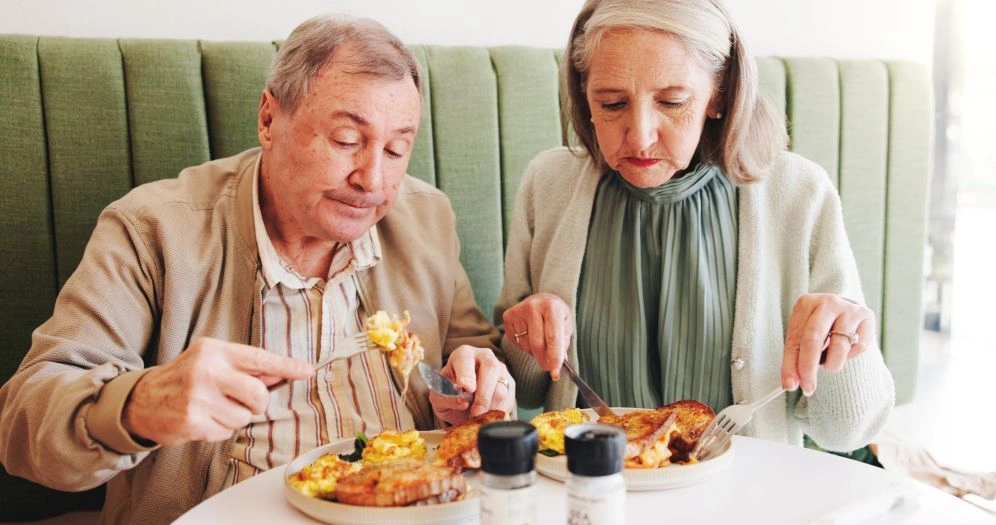
After age 60, individuals have special needs due to changes in their bodies. For example, digestion slows, muscles weaken, and chronic illnesses increase. As a result, these changes affect daily health and nutrition. Elderly people often ask, “What foods I should never eat?” or “Which foods elderly should avoid as they get older?”
This article explains the 10 worst foods for seniors that they should skip. The goal is to help older adults make the best food choices. The list below shows the 10 foods to never eat after 60. It focuses on their health, safety, and daily comfort.
Changes That Cause Foods To Be Dangerous After 60
Changes with aging affect how food is metabolized in the body. Your stomach produces less acid as you age. Additionally, your blood sugar rises faster than when you were younger. Furthermore, sodium affects your blood pressure more strongly. Therefore, many foods that were once safe can now become harmful after age 60.
Many doctors and nutritionists agree that food affects your risk of chronic illness. This includes heart disease, diabetes, osteoporosis, and memory loss. Knowing which foods to avoid after 60 can lower your chances of hospitalization. It reduces the need for medications. Choosing the right foods helps you live longer and stay independent.
1. Processed Meats: One of the 10 Worst Foods for Seniors
The number one food category to completely avoid as an elderly person is processed meats. For example, include sausage, hot dogs, and deli meats. All of these are high in sodium and contain preservatives.
High sodium levels cause high blood pressure. Preservatives will cause your body to be inflamed. Both can be very harmful to a person with a heart or kidney condition. Numerous people over the age of 60 have either hypertension or heart disease. Therefore, processed meats should be avoided. It is because they can be harmful to people in this age group.
Many people ask what food group is not good or can be served to a senior. Processed meats are an excellent example of this. Alternatives would be to provide fresh poultry products or legumes.
2. Fried Foods and Elderly Health
There are multiple reasons why fried foods harm your arteries. Fried foods add to the amount of bad cholesterol in your body. These foods also slow down your body’s ability to digest food. Each of these negative impacts gets compounded as we age. For example, fried chicken, fries, nachos, and other fried snacks are harmful foods for seniors. In addition, these items can increase health risks for older adults.
After the age of 60, the body processes fat at a slower rate. Fried foods lead to an increased risk of a heart attack. These fatty foods also contribute to bloating and indigestion. For this reason, the medical field consistently lists fried foods among the ten foods seniors should avoid.
Instead of frying foods, consider healthier methods such as baking or steaming. This way, meals remain tasty and better for seniors’ health.
3. Sugary Drinks and Desserts Seniors Should Avoid
Sugary drinks, for example, soda, sweet tea, and packaged juice, cause immediate spikes in blood glucose levels. These three comprise a large portion of the top ten food items seniors should never consume after the age of 60 because our bodies become more resistant to insulin with age. Eating too much sugar can lead to diabetes & weight gain. It can also harm teeth and weaken bones.
Refined sugar, when consumed as a dessert, can further contribute to inflammation. On the other hand, seniors can benefit from eating more fruit-based foods. These foods provide natural sweetness.
4. White Bread And Refined Grain Products
White bread has no dietary fiber. It quickly raises blood sugar after eating. This makes it a food seniors should not eat daily.
Refined grains also spike blood sugar. They can cause fatigue and slow digestion. They may worsen constipation, which is common in older adults. Thus, seniors should avoid eating white bread if consumed daily.
Whole grain products offer superior nutrition and promote healthy digestion. Therefore, they are among the many healthy food items for seniors.
5. Salty, Packaged Snacks - Adults 60 Years And Older Should Limit
Salty snacks such as chips, crackers, and packaged snack foods contain excessive sodium (salt). Excessive salt consumption causes water retention and raises blood pressure. For this reason, salty foods are some of the most important foods you should avoid eating after age 60.
There are many seniors who take blood pressure medications regularly. These medications work best when sodium intake stays low. Too much salt reduces their effectiveness. Salty snacks also offer no nutritional value for seniors and should be avoided.
If someone asks which foods never eat when dining with seniors, the first answer is salty packaged snacks.
6. Alcohol and Its Hidden Risks to Seniors
Alcohol affects the bodies of elderly individuals in a variety of ways. Even small amounts can affect balance and cause confusion. Therefore, alcohol is one of the ten foods you should not consume on a regular basis.
Alcohol interacts negatively with medications, increases the risk of falling, and weakens bones. This makes it an extremely dangerous food for seniors and must be avoided.
By limiting your use of alcohol, you can promote safety in your daily living environment. Abstaining also improves your overall sleep quality.
7. Unpasteurized Dairy Products and Food Safety
Food safety is increasingly important for elderly people. Unpasteurized milk and soft cheeses can contain bacteria and should not be consumed.
Elderly systems have much weaker immune systems. If you get an infection while you are aged 60 and over, it will be more severe. Therefore, food safety is one of the many reasons you should avoid certain foods.
In addition, pasteurized dairy products are very healthy. They provide an excellent source of calcium and are safe from infection. Therefore, they should be included in a senior’s nutritional diet.
8. Raw or Undercooked Eggs and Meats
Cooking animal foods is necessary because raw eggs and undercooked meat can carry bacteria. These bacteria can cause serious illnesses in seniors, such as Salmonella and E. coli. All these are just some of the 10 worst foods for seniors. Food poisoning leads to rapid dehydration and often requires hospitalization. As such, raw animal products provide answers as to what should not be served to seniors. Eating fully cooked meals protects a person’s digestive system and their immune health.
9. Artificial Sweeteners and Senior Health Issues
While artificial sweeteners may seem to be a good option, research suggests that artificial sweeteners can lead to gut imbalances. They do so by reducing beneficial bacteria and increasing harmful strains. If someone is a senior with a problem digesting food, then they should view it as a food to avoid after the age of 60.
Artificial sweeteners can increase sugar cravings and raise blood sugar levels. Seniors, especially those with diabetes, should avoid these foods. Using natural alternatives in moderation would support a senior in adhering to a healthy diet.
Continuous Support For Family Caregivers
Explore Your Options
10. Fast Foods and Aging Bodies
Fast food is mostly made of processed ingredients. These include salt, sugar, and fats. Many of these come from refined carbohydrates. Consuming fast food puts significant stress on an elderly person’s heart and body. Fast food is one of the 10 worst foods for seniors after age 60.
Fast food lacks nutritional value. Therefore, it can make seniors feel tired and may also cause inflammation. It is one of the ten foods you should never eat as a senior. Due to their negative impact on health, minimizing the number of times you eat fast food is necessary.
Home-cooked meals using whole foods are a much more reasonable and safe option for seniors.
How These Foods Harm Seniors Over Time
By substituting healthy foods for harmful foods, you can gain energy. Lean, high-protein products are vital to maintaining strong muscles. Additionally, vegetables help with digestion, and whole grains help to keep your blood sugar stable. Thus, the above represent true healthy foods for seniors.
Hydration is also very important to seniors. Water provides lubrication to your joints and aids in the proper function of the brain. Preparing simple meals will assist in encouraging long-term independent living.
Better Choices: Nutritional Foods For Seniors
By substituting healthy foods for harmful foods, you can gain energy. Lean, high-protein products are vital to maintaining strong muscles. Additionally, vegetables help with digestion, and whole grains help to keep your blood sugar stable. Thus, the above represent true healthy foods for seniors.
Hydration is also very important to seniors. Water provides lubrication to your joints and aids in the proper function of the brain. Preparing simple meals will assist in encouraging long-term independent living.
Final Thoughts
Understanding the 10 worst foods for seniors helps protect long-term health. Eating better foods leads to better outcomes. As you age, making smart food choices becomes essential. Avoiding unhealthy foods lowers health risks and helps you stay independent longer.
Seniors who ask, “What foods should I not eat?” or “What foods should seniors avoid?” deserve clear and accurate answers. This resource provides the answers they seek with quality and accuracy.
FAQs About Foods Seniors Should Avoid
What foods should elderly avoid and why?
Seniors should avoid foods high in sugar, salt, and fat. It is because these foods worsen heart problems, diabetes, and digestive issues.
Which item is most harmful to an elderly person?
The one food that should not be given to seniors is raw or undercooked meat. It is a greater risk for foodborne illness than cooked meat.
What are the top 10 bad foods to eat after 60?
The 10 worst foods for seniors include processed meats and fried food. They also include sugary drinks and white bread. Moreover, it is important to avoid salty snacks and alcohol. Raw foods and fast food are also harmful. Artificial sweeteners and unpasteurized dairy complete the list.
Are there foods seniors should never eat daily?
Yes, seniors should limit how often they eat fast food, processed meat, and sugary snacks. All these types of food can lead to serious long-term health issues.
What are healthy foods for elderly adults?
Elderly adults should eat plenty of fresh fruit and vegetables. In addition, their diet should include lean protein sources. They should also eat whole grains. Finally, pasteurized dairy products help maintain a healthy weight and support digestion.
