
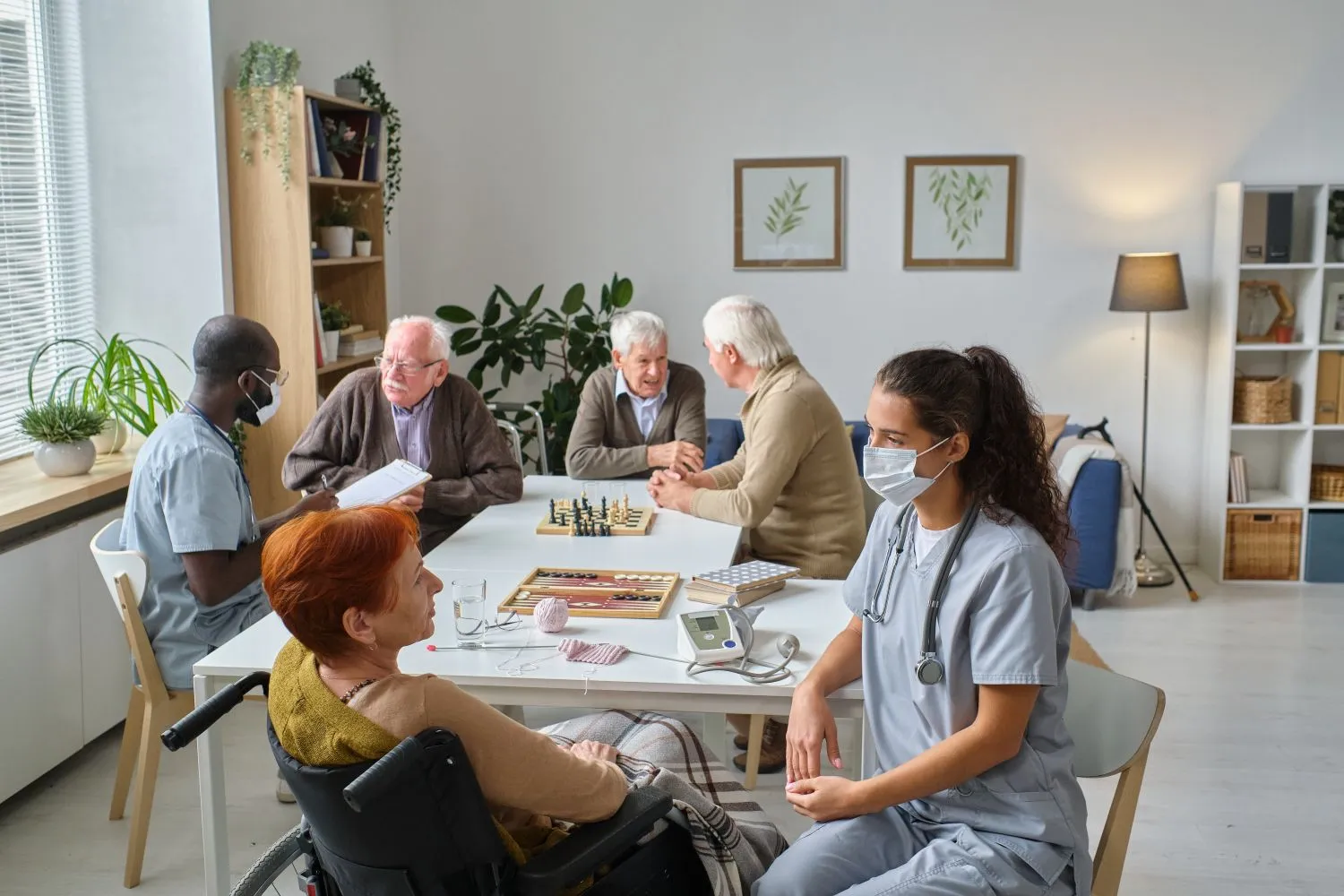
Support groups for caregivers make it easier to share experiences and seek advice comfortably. Many caregivers suffer due to emotional, mental, and physical stress. Help from others serves as a way to deal with such issues or, rather, avoid burning out. These groups primarily support caregivers of elderly parents and spouses. They also help those caring for people with dementia, Alzheimer’s, cancer, COPD, or Parkinson’s disease.
Caregiver support groups bring people together to share experiences, practical tips, and strategies. The main advantage of these groups is their emotional support, which reduces stress. This group targets caregivers of aged parents, spouses, and patients who have chronic illnesses. Online caregiver support groups offer flexibility and help caregivers with busy schedules.
These groups allow caregivers to share challenges openly and safely. They provide strategies to manage daily responsibilities, emotional health, and relationship challenges. Cancer and COPD support groups for caregivers provide support for specific health conditions.
Caregivers easily burn out. The support groups offer a great deal of validation, understanding, and encouragement. The spouse caregivers and dementia caregivers are free to share their emotions without any judgment. Icebreakers for caregiver support groups help people connect and feel at ease.
Dementia support groups for family members manage behavior changes. They also help with communication and stress. Possibly, some therapists for dementia caregivers would improve this work with professional advice. Early-onset dementia support groups use different techniques to deal with younger caregivers. These are related to their specific condition.
Alzheimer’s dementia support groups focus on education, coping strategies, and emotional support. These groups often include workshops, Q&A sessions, and peer discussions. Support groups for caregivers are also done online to enable those living very far from facilities to take part.
Caregivers learn the methods of controlling agitation, memory loss, and daily care problems. The sharing of personal experiences helps the members find ways to solve problems and decrease stress. Some of the techniques include structured routines, communication, and reminders for personal care.
Caring for the elderly can be emotionally and physically overwhelming. Support groups for caregivers of elderly parents help manage elder care, health issues, and support services.
Many groups share tips on meal planning, medication schedules, and home safety. Support groups share practical advice. This includes help with mobility and chronic illness.
Members can express how they deal with their feelings of frustration, exhaustion, and errors. Sharing these feelings reduces the isolation factor and enhances psychosocial well-being. Knowing that one is not alone helps a lot with positive comfort and encouragement.
Spousal caregiver support groups teach how to care for a partner while taking care of yourself. Icebreakers help people open up and share their experiences.
Balancing the needs for caregiving and relationships is not easy. These groups provide ways of maintaining intimacy, communication, and emotional connectedness.
Spouses’ caregiver support groups share ways to cope. They include time management, professional help, and support networks. Often, peer advice complements medical or therapeutic guidance.
Different diseases have specific needs. So, support groups for such conditions adopt distinct procedures.
Cancer support groups for caregivers guide them. They cover coping, treatment options, and daily care. Members share their experiences of coping with side effects and visiting the doctor.
COPD caregiver support groups offer tips on oxygen therapy, exercise routines, and medication use. The process also includes family and friends. They show members the ways to manage symptoms while still allowing a loved one to maintain independence.
Parkinson’s support groups focus on mobility and tremor management. They also provide emotional support and discuss members’ routines and daily challenges they face. These groups also cover therapies, daily routines, and lifestyle changes.
Online caregiver support groups do not have geographical constraints on the resources offered. Free online caregiver support groups remove cost barriers, allowing anyone to join.
These groups offer flexible schedules, discussion forums, and video sessions. Many Alzheimer’s and dementia support groups offer webinars, Q&A sessions, and resource libraries for family members.
Caregivers can be participants in the support groups in several ways. They can ask questions related to their problems and share personal experiences. The participant’s tone should consider the privacy issues and follow the rules of online etiquette.
These are conducted at hospitals, nonprofit associations, and community centers. Support group icebreakers make members comfortable and also promote participation in the group.
To know about these groups, watch for postings on hospital bulletin boards, senior centers, or nonprofit websites. Alzheimer’s, dementia, and cancer caregiver support groups may share information this way.
Starting a support group is simple but needs dedication. Initial steps include securing a location or online platform for the audience and creating a structured agenda. Additionally, include icebreakers for the caregiver support groups and invite professionals for advice.
Many resources for caregivers are free or low-cost through organizations.
Free online support groups for caregivers are now available, allowing caregivers to join from home.
Caregiver support groups help reduce stress. They provide practical advice in a safe space.
Yes, some support groups are not general and instead focus on specific health conditions. These include dementia, cancer, and Parkinson’s caregiver groups.
Online caregiver support groups are widely available. Many free online caregiver support groups let you take part from home. The primary benefit of these groups is for people with mobility issues.
Caregiver spouse support groups guide routines, emotions, and relationships. Support groups for older parents offer the same support.
Yes, some groups include professional guidance. Therapists for dementia caregivers give professional advice. Experts in Alzheimer’s family support groups share coping strategies.
